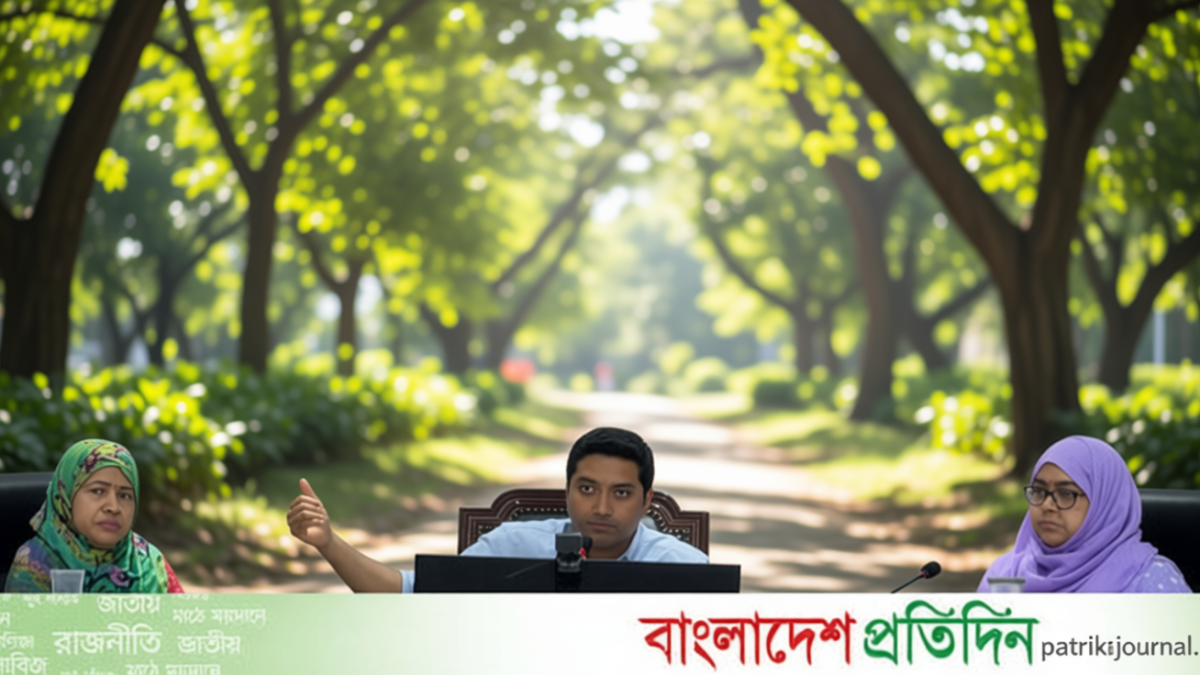
Primary and Mass Education Overhaul: Minister’s Vision for 2026
Patrikajournal.com – প র থম ক শ ক ষ – On June 21, 2026, the Minister of Primary and Mass Education, Babi Haji, outlined a comprehensive restructuring of Bangladesh’s primary education system at a key curriculum development conference in Mirpur, Dhaka. The event emphasized the minister’s commitment to transformative reforms aimed at modernizing teaching methods and aligning education with the needs of a rapidly evolving society. Central to his vision is the integration of values-based learning, which seeks to instill family values, moral principles, and cultural awareness into the core curriculum, ensuring students are not only academically proficient but also socially responsible.
Curriculum Reform and Learning Outcomes
The minister highlighted the formal launch of the 2028 curriculum reform, which marks a significant shift in how primary education is structured and delivered. Under the new framework, the focus is on creating clear, measurable learning outcomes for each grade level, ensuring that students grasp essential competencies such as literacy, mathematical reasoning, and critical thinking by the end of their primary schooling. This approach aims to bridge the gap between theoretical knowledge and practical application, preparing children for real-world challenges while fostering a lifelong love of learning.
“The revised syllabus will prioritize hands-on experiences and interdisciplinary learning, making education more engaging and relevant to students’ daily lives,” said the minister during the conference. He also stressed the importance of aligning teaching materials with these new standards, including the development of interactive digital resources and video lessons tailored for both teachers and learners. This initiative reflects a broader effort to modernize pedagogy and adapt to the demands of the 21st century.
Technology Integration in Classrooms
A key component of the reform is the widespread adoption of technology in primary education. The minister announced plans to distribute Interactive Flat Panels (IFPs) to all government primary schools within the next year, with the long-term goal of equipping every classroom with these tools by 2029. These devices will serve as hubs for digital learning, allowing teachers to incorporate multimedia content, real-time assessments, and interactive lessons into their teaching. The initiative also includes partnerships with organizations like Plan International Bangladesh to enhance infrastructure and provide training for educators.
Representatives from the Primary Education Department and the National Primary Education Academy were present at the conference, underscoring the collaborative nature of the reform. The minister emphasized that these technological advancements will not only improve the quality of education but also address disparities in resource allocation across regions, ensuring that even remote areas benefit from modernized teaching environments.
Teacher Training and Resource Allocation
The overhaul includes a major focus on teacher development, with the minister announcing the establishment of specialized training programs to equip educators with the skills needed to implement the new curriculum effectively. These programs will cover innovative teaching techniques, assessment strategies, and the use of digital tools in the classroom. Additionally, the ministry plans to create a centralized repository of educational resources, providing teachers with access to updated lesson plans, teaching aids, and pedagogical support.
Pre-primary education is also set to undergo significant changes, with the minister stating that it will now be entirely based on play-based and joyful learning methodologies. This shift aims to create a more holistic foundation for young learners, encouraging creativity, social interaction, and early cognitive development. The emphasis on pre-primary education reflects the ministry’s recognition of its role in shaping future academic success and long-term educational outcomes.
Community and Parental Engagement
Another critical aspect of the reform is the increased involvement of parents and local communities in the educational process. The minister proposed the creation of parent-teacher associations to foster collaboration between schools and families, ensuring that parents are actively engaged in their children’s learning journeys. This initiative also includes community-based learning programs, where students are encouraged to participate in local projects that reinforce classroom lessons with real-world experiences.
The reform’s success will depend on sustained support from all stakeholders, including the government, educational institutions, and civil society. By addressing systemic challenges and incorporating feedback from educators and parents, the ministry aims to create a more inclusive and effective primary education system that meets the needs of Bangladesh’s diverse population.
Future Goals and Long-Term Impact
Looking ahead, the minister outlined the ministry’s vision for a sustainable and scalable education model that prioritizes equity and quality. He mentioned the need to expand early childhood education initiatives and ensure that all children, regardless of socioeconomic background, have access to high-standard learning opportunities. This includes the development of new assessment tools to track student progress and identify areas requiring improvement.
The upcoming reforms are expected to have a profound impact on Bangladesh’s educational landscape, preparing students for a future driven by innovation and global competitiveness. By combining traditional values with modern pedagogical practices, the primary and mass education system aims to become a cornerstone of national development, equipping the next generation with the knowledge, skills, and character needed to thrive in a dynamic world.